Lithium is best known as a psychiatric medication for bipolar disorder, yet it also exists naturally in food, water, and soil. Increasingly, research suggests lithium may act as a trace nutrient with potential neuroprotective benefits, influencing brain health and possibly reducing risks of neurodegenerative disease. Understanding the sources of lithium in everyday diets helps highlight its importance for long-term wellness.
Grains and Vegetables as Primary Sources
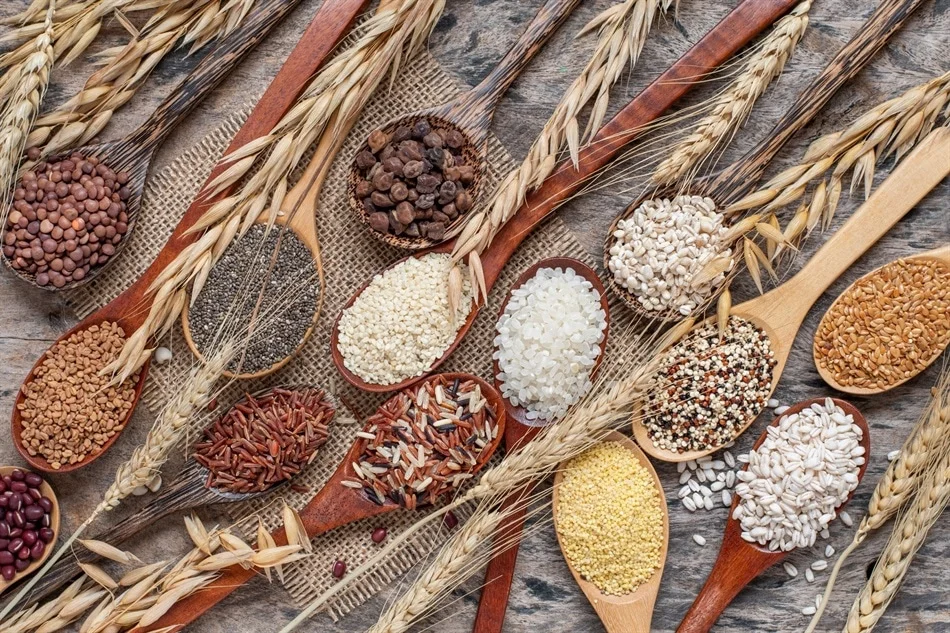
Cereal grains and vegetables are the largest contributors to dietary lithium intake, supplying 66% to 90% of the total. Plants like coriander, tomatoes, garlic, nutmeg, and cumin accumulate relatively high levels, reaching up to 4.6 µg/g. By contrast, rice, onions, cauliflower, wheat, and mushrooms typically contain much lower amounts.
Vegetarians may consume higher lithium levels than those who eat animal products, since plant-based diets emphasize foods that naturally concentrate this element.
Drinking Water and Regional Variation
Lithium content in drinking water varies widely. Levels are often minimal across Europe, while regions such as northern Chile and Argentina record much higher concentrations, sometimes exceeding 1,000 µg/L. Seawater generally contains 140–200 µg/L, whereas surface waters average 1–10 µg/L.
These variations stem from geology as well as human activity, including contamination from lithium-rich brines used in industrial processes. Lithium’s presence in water supplies has led the U.S. Environmental Protection Agency to include it on its Contaminant Candidate List, ensuring further study.
Despite this, large-scale analyses of over 1,000 food and beverage samples confirm that typical lithium intake remains well below safety thresholds set by regulators.
Fruits as a Complementary Source
While not as concentrated as grains or nuts, fruits also contribute to lithium intake. Citrus fruits such as lemons, limes, clementines, and grapefruits contain measurable levels, along with grapes, apples, and bananas. These values are generally within the microgram per gram range, but consistent consumption still supports overall intake.
Nuts, Seeds, and Legumes
Nuts and seeds stand out for their higher lithium concentrations. Walnuts can provide over 3 µg/g, while cashews average around 1 µg/g. Sunflower seeds, pine nuts, and hazelnuts are also notable sources. These foods are widely consumed worldwide, making them a practical way to increase dietary lithium naturally.
Animal Products and Seafood
Animal-derived foods usually contain less lithium than plants, with most meats and fish ranging between 0.012 and 0.06 µg/g. However, certain seafood can reach much higher concentrations. For example, canned tuna samples in one study contained nearly 40 µg/g, though values may vary considerably depending on species and origin.
Neurological Benefits of Trace Lithium
Research indicates that even trace dietary amounts of lithium can influence brain health. Several mechanisms explain this protective role:
- Enzyme regulation: Lithium inhibits glycogen synthase kinase-3β (GSK-3β), supporting neurotransmission and reducing harmful protein buildup.
- Neurotransmitter balance: By interacting with sodium and magnesium pathways, lithium helps regulate chemical signaling in the brain.
- Alzheimer’s connection: Lower lithium levels in the brain correlate with increased amyloid-β and tau accumulation. Supplementation in animal studies reduced plaque formation and preserved synaptic function.
- Neurotrophic effects: Lithium boosts brain-derived neurotrophic factor (BDNF), which supports neuroplasticity and resilience against conditions such as depression and Parkinson’s disease.
These findings suggest that dietary lithium, though consumed at much lower doses than clinical medication, may promote cognitive stability and delay age-related decline.
Links to Metabolism and Cognitive Health
Lithium also shows insulin-like properties, helping regulate glucose metabolism. Since type 2 diabetes and obesity are risk factors for dementia, this action may partly explain lithium’s protective influence. Maintaining balanced intake through food and water may therefore support both metabolic and neurological health.
Safety and Remaining Questions
For most populations, dietary lithium is consumed at levels considered safe. However, sensitivity may be higher in pregnant individuals or those with chronic illnesses, meaning caution is warranted. Unlike pharmacological treatments, food-based lithium exposure rarely approaches toxic thresholds.
Still, more research is needed to define optimal intake levels and to determine whether lithium should be classified as an essential nutrient.
Conclusion
Lithium is more than a psychiatric treatment—it is also a naturally occurring element present in grains, vegetables, nuts, fruits, water, and even animal products. Research points to benefits for brain health, mood stability, and metabolic balance, all at trace dietary levels considered safe for most people.
While nutritional guidelines have not yet been established, the evidence suggests lithium plays an underappreciated role in human health. Diets rich in plant-based foods and clean water sources remain the most reliable way to ensure steady intake, supporting resilience against cognitive and metabolic challenges over the lifespan.