Introduction
Aging is accompanied by challenges such as reduced mobility, muscle weakness, chronic pain, and increased risk of falls. These issues can limit independence and reduce overall quality of life. While traditional yoga provides well-documented health benefits, many seniors find it inaccessible due to flexibility or balance limitations. Chair yoga emerges as a safe, adaptable practice that brings the physical and mental advantages of yoga to older adults in an inclusive format.
What Is Chair Yoga?
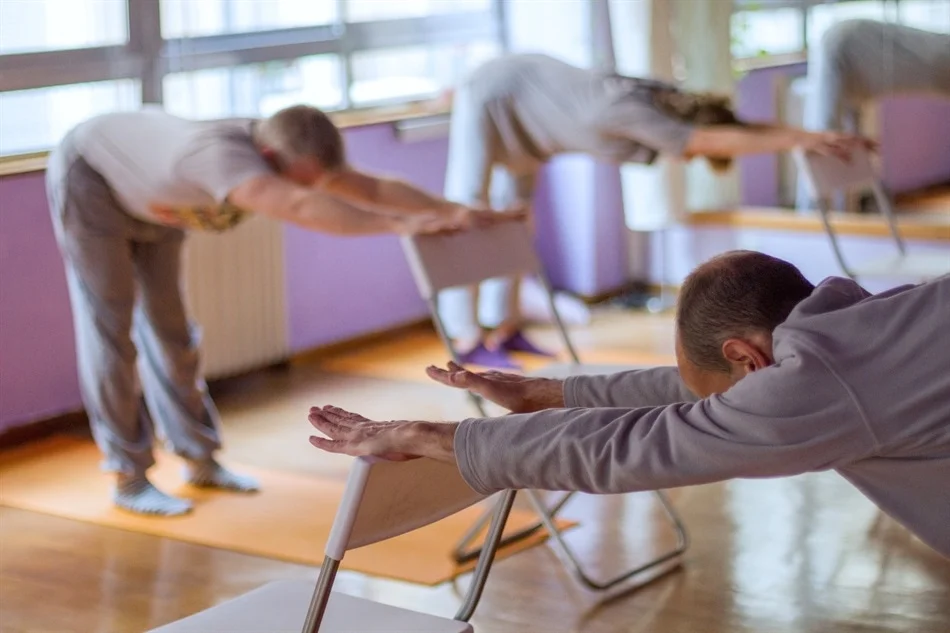
Chair yoga is an accessible form of yoga that adapts traditional Hatha Yoga poses for seated or supported practice. Movements include gentle stretches, trunk rotations, supported standing poses, breathing exercises, and relaxation techniques. These modifications are designed to enhance posture, joint mobility, and comfort without requiring participants to get down on the floor.
Because it is gentle and adaptable, chair yoga suits individuals with arthritis, limited balance, or reduced flexibility. Seniors gain improved functional mobility, stress reduction, and greater confidence in their ability to remain active.
Mobility and Balance
Research consistently demonstrates that chair yoga improves gait speed, range of motion, and flexibility. Older adults with osteoarthritis participating in an eight-week program reported less pain, greater endurance, and better walking ability. Improvements were sustained even after three months, highlighting the durability of results.
Similar benefits have been seen in community studies, where older women with knee osteoarthritis experienced enhanced balance, reduced fatigue, and greater confidence in daily activities. Programs in care settings show improved posture and stability, helping seniors feel safer when moving.
Muscle Strength and Physical Endurance
Maintaining muscle strength is critical to preserving independence in later life. Chair yoga promotes stronger lower-limb and core muscles, both vital for safe movement and fall prevention. In structured programs lasting 12 weeks, participants displayed better grip strength, greater agility, and increased endurance. Many reported improvements in essential activities such as standing from a chair, climbing stairs, and walking longer distances.
Pilot trials of Gentle Years Yoga show that older adults who practice regularly perform sit-to-stand movements more quickly, with greater flexibility and stability than control groups. These improvements support everyday autonomy while lowering the risk of injuries.
Psychological and Social Well-Being
Chair yoga is not limited to physical benefits; it also contributes to emotional and mental health. Studies in care homes reveal reduced anxiety, depression, and stress among older adults after eight weeks of practice. Relaxation and breathwork components encourage mindfulness, which helps participants manage daily pressures.
Group classes offer social engagement, reducing feelings of isolation while motivating seniors to maintain regular exercise. Even remote chair yoga programs for older adults with dementia have proven feasible, with participants reporting feelings of relaxation and improved sleep quality.
Applications in Clinical Populations
Chair yoga is particularly beneficial for seniors managing chronic conditions. For arthritis patients, the practice reduces stiffness, pain, and fatigue while improving circulation and joint function. Early research suggests promise for people with Parkinson’s disease, with chair-based adaptations supporting flexibility and comfort.
Beyond musculoskeletal conditions, yoga has been linked to cardiovascular and respiratory improvements, such as lower blood pressure and better lung function. Although more targeted studies are needed, these findings suggest that chair yoga may have broader applications for chronic disease management.
Safety and Practical Considerations
Chair yoga is widely regarded as a safe form of physical activity. Trials report high participation and very few adverse effects. A sturdy chair without wheels, comfortable clothing, and mindful awareness of physical limits are generally all that is required.
Sessions typically run 45 to 60 minutes, held once or twice a week over several weeks, but even short daily practices of 10 to 15 minutes can provide benefits. Beginners are encouraged to start slowly and increase duration gradually. Consultation with a healthcare provider is recommended for those with chronic conditions.
The role of qualified instructors is important. Trained teachers can adapt postures for individuals with arthritis, respiratory conditions, or balance concerns, ensuring that every participant can safely benefit.
Future Directions
Although research is growing, more large-scale studies are needed to confirm the full scope of benefits across different senior populations. Online and home-based chair yoga programs are emerging as valuable tools, especially for those with limited mobility or who live in residential care facilities. Broader integration into rehabilitation centers, wellness programs, and senior community services could increase accessibility and help more older adults maintain independence.
Conclusion
Chair yoga for seniors represents a safe, cost-effective, and adaptable approach to supporting physical and mental health. Documented benefits include improved mobility, balance, flexibility, muscle strength, and endurance, alongside reduced pain, anxiety, and stress.
Its accessibility and proven safety make chair yoga well-suited for older adults across diverse health conditions and living environments. By integrating it into community and healthcare programs, chair yoga can help seniors preserve autonomy, enhance resilience, and enjoy a higher quality of life.