Strategic Market Positioning
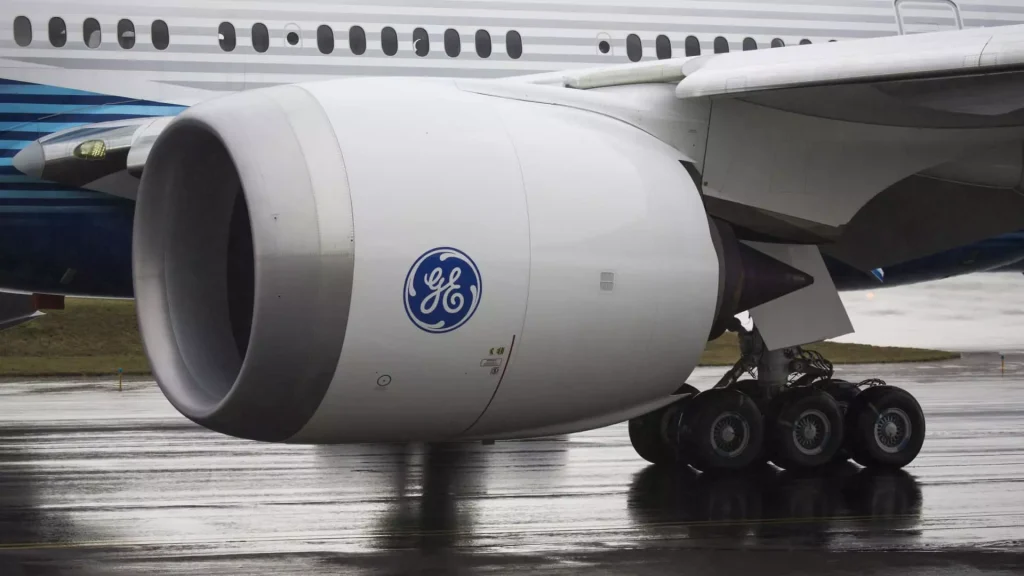
In the midst of fluctuating trade policies, GE Aerospace has distinguished itself as a resilient player in the aerospace industry. The company’s strategic positioning, particularly its role as a major engine supplier to Boeing and Airbus, gives it a significant advantage in navigating market volatility. While many competitors struggle with the financial impact of tariffs, GE’s established supply chains and proactive trade strategies allow it to mitigate costs without compromising production or profitability. By leveraging its market influence, the company transforms potential risks into tactical advantages, ensuring a strong foothold in a global industry increasingly influenced by political and economic pressures.
GE’s proactive engagement with trade policymakers, including high-level discussions to address sectoral surpluses, underscores its ability to anticipate challenges. This strategic foresight positions GE not merely as a participant in the aerospace sector, but as a leader capable of forecasting trends and adapting operations ahead of the curve. Such positioning sets a precedent for other industrial firms seeking stability in turbulent markets.
Cost Controls Strengthen Operational Resilience
A critical pillar of GE Aerospace’s success lies in rigorous cost management. Despite facing a \$500 million headwind from tariffs, the company has implemented measures designed to absorb these costs efficiently. Enhanced use of free-trade zones, operational optimizations, and careful allocation of resources reflect a deliberate strategy rather than reactive decision-making.
By controlling costs proactively, GE Aerospace not only maintains its profitability but also ensures operational continuity in a market prone to sudden disruptions. Analysts note that these measures indicate a cautious optimism, signaling that the company is prepared for potential economic shocks. Maintaining strict cost discipline enables GE to balance short-term challenges with long-term growth objectives, demonstrating that operational foresight can be as critical as revenue generation in turbulent periods.
Navigating Global Trade Complexities
The aerospace industry relies heavily on international logistics and trade relationships, making tariff fluctuations particularly impactful. While tariffs often disrupt market stability, GE Aerospace’s proactive strategies highlight how companies can turn such challenges into opportunities. The company’s ability to maintain smooth operations amidst regulatory and economic uncertainty underscores a level of adaptability unmatched by many competitors.
This resilience has broader implications for industrial leadership. Companies that effectively anticipate macroeconomic changes, optimize supply chains, and mitigate external shocks are more likely to emerge stronger, even in politically charged markets. GE’s approach offers a roadmap for executives across sectors on how to combine strategic foresight with operational agility to safeguard business continuity.
Innovation and Strategic Foresight
Beyond market positioning and cost controls, GE Aerospace’s commitment to innovation strengthens its competitive edge. Investments in advanced technologies and process improvements allow the company to sustain performance despite external pressures. In an industry defined by rapid technological change, integrating innovation into core operations ensures long-term relevance and reinforces investor confidence.
Moreover, GE’s ability to diversify revenue streams and manage complex projects positions it well to withstand tariff-related shocks. The company’s foresight in aligning production strategies with geopolitical realities demonstrates that innovation is not limited to products alone; it extends to operational and financial planning, allowing GE to remain flexible in a dynamic global environment.
The Broader Economic Impact
GE Aerospace’s success amid tariffs also highlights the uneven effects of global trade policies. While many companies face declining margins, GE’s strategic measures exemplify how thoughtful planning can create a competitive advantage. The company’s performance serves as a case study for how industrial firms can navigate macroeconomic uncertainty, manage supply chain risks, and maintain profitability despite external disruptions.
Additionally, GE’s example emphasizes the importance of leadership and accountability. Organizations that prioritize foresight, operational discipline, and adaptive strategies are more likely to thrive, whereas companies that react passively to market pressures may struggle. GE Aerospace demonstrates that a proactive approach, combined with strategic insight, can transform uncertainty into a platform for growth.
Looking Ahead: Opportunities and Challenges
Although GE Aerospace has reported nearly a 20% stock increase in 2025, the path forward remains complex. Ongoing tariff tensions, geopolitical uncertainties, and potential supply chain disruptions pose persistent risks. However, GE’s robust operational framework, strategic planning, and innovative capabilities position it to navigate these challenges effectively.
The company’s trajectory illustrates a broader lesson for the aerospace sector: resilience requires both preparation and adaptability. By maintaining a strong balance sheet, diversifying production, and continuously improving operational efficiency, GE Aerospace sets a benchmark for long-term success. Its performance signals that even in the face of trade turmoil, well-executed strategies and informed leadership can transform obstacles into opportunities, ensuring sustained growth in a volatile global market.