Introduction
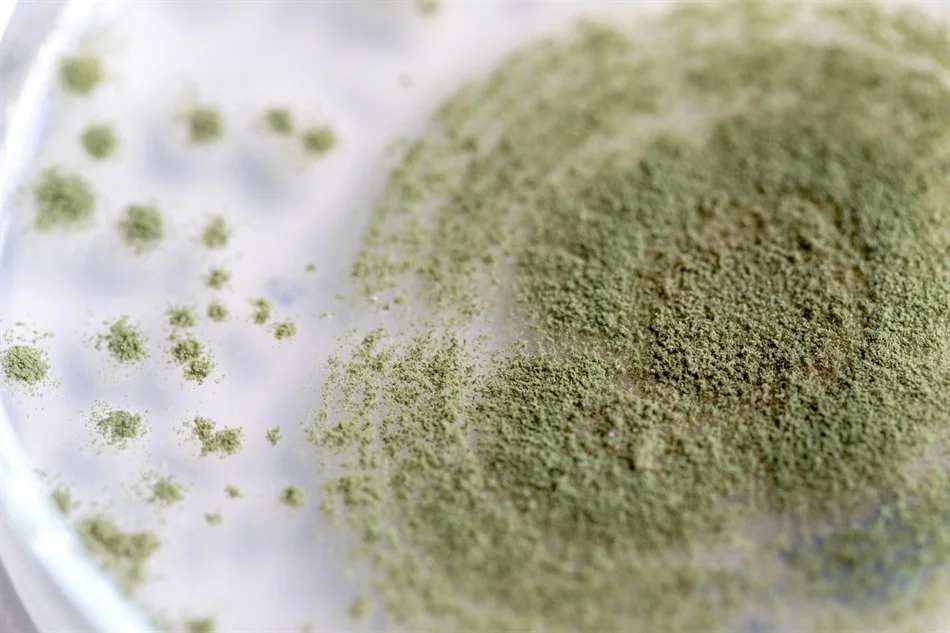
Koji fungus (Aspergillus oryzae) is a filamentous mold with a long history in East Asian food culture and fermentation practices. For over a millennium, it has played a central role in producing staple foods such as miso, soy sauce, sake, amazake, and rice vinegar. Unlike typical food ingredients, Koji functions primarily as a biochemical catalyst, transforming grains, legumes, and other substrates into nutrient-dense, flavorful, and shelf-stable products through enzymatic fermentation. Recent scientific research highlights Koji’s potential for supporting metabolic health, immune function, and cardiovascular regulation, making it an increasingly valued functional ingredient in modern nutrition and biotechnology.
Historical and Cultural Uses
Koji fungus has been intentionally cultivated for centuries, with early references in Japanese legal and literary texts dating back to the 8th century, evidencing its cultural and culinary significance. Its domestication involved selecting strains with high enzymatic activity and no toxin production. Traditionally, steamed rice, barley, or soybeans are inoculated with Koji spores, allowing the fungus to propagate and form a dense mycelium on the grain. This Koji starter culture is then added to a primary substrate to initiate saccharification and fermentation. The process converts starches into sugars, proteins into amino acids and peptides, and produces bioactive metabolites, enhancing both the nutritional and sensory qualities of the final product.
Koji’s historical importance extends beyond nutrition. It enabled early civilizations to store and preserve perishable food, develop diverse flavor profiles, and create beverages with mild alcohol content, such as sake and amazake. These fermentation practices exemplify an early form of microbial biotechnology, demonstrating human ingenuity in optimizing natural processes for health and sustainability.
Biological and Enzymatic Properties
The Koji fungus genome encodes hundreds of enzymes, including amylases, proteases, lipases, and polysaccharide-degrading hydrolases. Amylases break down complex starches into simple sugars like glucose, which serve as substrates for yeast fermentation in sake or other alcoholic beverages. Proteases hydrolyze proteins into peptides and amino acids, contributing to the characteristic umami flavor and increasing digestibility. Lipases facilitate lipid breakdown, supporting flavor development in fermented products.
Koji also produces secondary metabolites, such as kojic acid, which act as natural preservatives and antimicrobial agents. These properties allow Koji-fermented foods to maintain stability and safety without artificial additives. Importantly, centuries of selective cultivation have ensured that A. oryzae is non-toxigenic, distinguishing it from its aflatoxin-producing relative, A. flavus. The U.S. FDA recognizes certain Koji enzyme preparations as Generally Recognized as Safe (GRAS), supporting their use in food and industrial applications.
Nutritional and Functional Benefits
Koji fermentation enhances both flavor and nutrient bioavailability. It generates bioactive peptides (BAPs) with antioxidant, antihypertensive, and anti-inflammatory properties, which may support cardiovascular and metabolic health. Postbiotic compounds derived from Koji, including non-viable microbial fragments, enzymes, and extracellular metabolites, modulate gut microbiota, favoring beneficial bacteria such as Bifidobacterium and promoting digestive health.
Indigestible oligosaccharides and glycosylceramides in Koji act as prebiotics, stimulating microbial diversity in the intestine. This interaction between dietary postbiotics and the microbiome may contribute to systemic benefits, including improved immune response, reduced inflammation, and enhanced gut–brain communication. By improving the bioavailability of amino acids, vitamins, and minerals, Koji fermentation makes nutrients more accessible, amplifying its functional effects.
Scientific Evidence
Clinical trials indicate that Koji-fermented foods can reduce serum cholesterol and LDL levels. For example, daily intake of Koji-fermented kochujang (34.5 g/day for 12 weeks) reduced total cholesterol by 21 mg/dL in hyperlipidemic adults. Similarly, fermented soy products containing Koji showed reductions in LDL cholesterol, suggesting positive impacts on cardiovascular risk factors. Animal studies further demonstrate that Koji-derived glycosylceramides influence liver cholesterol metabolism and modulate lipid profiles.
Emerging research also explores Koji postbiotics as immunomodulatory agents, capable of influencing host defenses and gut–brain signaling. Observational studies indicate that regular miso consumption does not elevate hypertension risk, despite its sodium content, possibly due to the attenuation of sympathetic nervous system activity. These findings highlight Koji’s potential for improving health outcomes while maintaining culinary traditions.
Industrial and Modern Applications
Koji has a long history in biotechnology. In 1894, Jokichi Takamine commercialized Taka-diastase, an A. oryzae enzyme preparation used as a digestive aid. Today, Koji strains serve as “cell factories” for producing industrial enzymes, specialty metabolites, and postbiotic compounds. Innovations in Western gastronomy now utilize Koji for aging meats, enhancing vegan charcuterie, and developing umami-rich plant-based foods. Its applications extend to nutraceutical development, fermentation-based bioprocesses, and sustainable food production.
Safety and Future Perspectives
Modern food-grade Koji strains are non-pathogenic and rigorously monitored to prevent contamination with toxigenic Aspergillus species. Safety protocols ensure the absence of mycotoxins, and approved enzyme preparations comply with good manufacturing practices. Claims regarding complete deletion of mycotoxin pathways require strain-specific genomic verification.
Future research aims to isolate bioactive compounds from traditional Koji-fermented foods and reconstruct them using synthetic biology. Long-term randomized controlled trials across diverse populations are needed to confirm health benefits and establish precise dietary recommendations. With its unique combination of enzymatic activity, postbiotic production, and nutrient enhancement, Koji fungus represents a promising frontier in functional foods, nutrition science, and sustainable gastronomy.