During the COVID-19 pandemic, many families turned to puppies for comfort and companionship. The hope was that a new dog could ease isolation, improve mental health, and bring joy into homes during uncertain times. While these “pandemic puppies” did provide emotional support for many children and caregivers, research shows the reality was more complex. Families faced unexpected challenges around safety, responsibility, and uneven emotional benefits. Understanding these outcomes offers valuable insight into how pets influence children’s mental health and broader family dynamics.
Why Families Chose Puppies During Lockdowns
The pandemic was marked by social restrictions, fear of illness, and rising stress levels. For many, the solution seemed to be bringing a puppy into the household. Surveys show that a large share of current dog owners in the UK acquired their pets between 2020 and 2021. Families often believed that having a puppy would reduce anxiety, provide companionship for children, and lift spirits during extended lockdowns.
Importantly, dogs were rarely viewed as belonging to just one person. Instead, they became a family responsibility, although women—particularly mothers—were most often tasked with daily care. This highlighted the cultural perception of dogs as shared family members rather than individual pets.
Unexpected Challenges of Puppy Care
Despite the positive intentions, many caregivers admitted that life with a puppy was harder than anticipated. First-time dog owners especially struggled with the constant supervision puppies require. The biggest challenge was keeping both children and dogs safe. Puppies are playful, energetic, and sometimes unpredictable, which can create risks when young children are involved.
Caregivers also reported frustration when children did not take as much responsibility for feeding, walking, or cleaning up after the dog as expected. In some families, children became more involved than anticipated, but in many others the workload fell disproportionately on mothers. This imbalance sometimes caused tension, fatigue, and stress within the household.
Safety Risks for Children
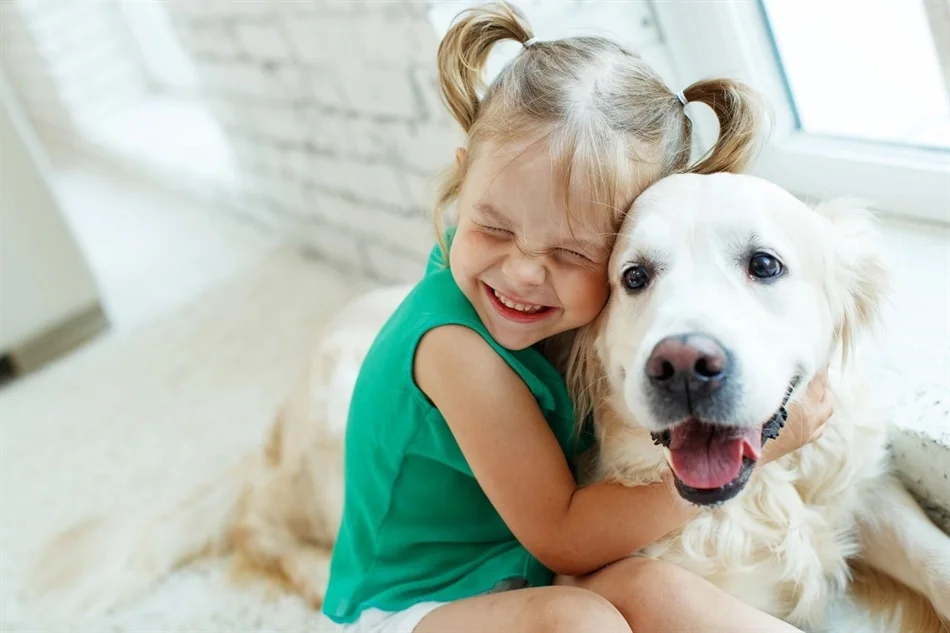
One of the most concerning findings was the frequency of risky child-dog interactions. Over half of the children engaged in behaviors known to increase the risk of bites, such as hugging, kissing, or disturbing the dog during mealtimes. While affection like cuddling was often comforting for children, it could also put them in danger if the dog felt stressed or threatened.
Simple misbehaviors, such as pulling ears or tails, were less common but still present. These interactions highlight the importance of teaching children how to respect a dog’s boundaries. Without guidance, the emotional benefits of pet ownership can quickly be undermined by safety concerns and potential injuries.
Emotional Benefits for Children and Families
Despite the challenges, pandemic puppies brought many positive changes. For children, dogs often became confidants, playmates, and companions during a time of loneliness. Cuddling, hugging, or sleeping near their pets gave children comfort when they felt anxious or sad. Many children reported that the dog’s presence lifted their mood and reduced feelings of isolation.
Families also experienced bonding through shared activities like walking the dog or playing together. Dogs encouraged children to leave their rooms, spend less time online, and engage in physical activity. For parents, especially mothers, the dog sometimes acted as a unifying force in the household, creating moments of humor and joy during an otherwise stressful period.
Uneven Benefits and Emotional Strain
However, the benefits were not universal. Some children resented the responsibilities of pet care, felt jealous if the dog preferred another family member, or became frustrated with the dog’s constant need for attention. These mixed feelings were often unnoticed by caregivers, who tended to focus on the positive emotional impact.
For mothers, the burden of managing both the dog’s needs and safe child-pet interactions often added to the already high stress of pandemic life. This uneven distribution of responsibilities highlights the importance of preparing the whole family—not just one caregiver—for the realities of puppy ownership.
Lessons for Future Pet Ownership
The experience of pandemic puppies underscores the importance of realistic expectations. Dogs can provide companionship, emotional support, and family bonding, but they also require training, patience, and consistent care. Children benefit most when they are taught how to safely interact with pets and when responsibilities are fairly distributed among family members.
Resources such as training guides, child-focused education on dog behavior, and community support can make the transition smoother. Families considering a dog should evaluate whether they have the time, energy, and commitment to provide a safe and supportive environment for both the puppy and the children.
Conclusion
Pandemic puppies changed family life in profound ways. For many children, they offered comfort, companionship, and emotional relief during one of the most difficult global crises in recent history. Yet they also introduced new stresses, from safety risks to unequal caregiving burdens. The key takeaway is that while puppies can enhance children’s mental health and family bonds, these benefits are not automatic. They require preparation, shared responsibility, and a commitment to safe interactions. For families willing to balance these factors, dogs can become not just pets but integral members of the household, enriching family life long after the pandemic years.